Chiropractic treatment for concussion injury naturally focuses on addressing neurostructural abnormalities in the spine and brainstem to optimize brain health. Early intervention, including spinal adjustments, soft-tissue therapy, rehabilitation exercises, and patient education, significantly improves recovery outcomes. Evidence supports specific adjustments to the cervical spine and temporomandibular joint, reducing inflammation and nerve irritation to alleviate symptoms and expedite healing. Collaboration among healthcare providers is crucial for integrating chiropractic care into a multidisciplinary treatment plan.
Mild traumatic brain injuries (mTBI), commonly known as concussions, are a significant public health concern, often resulting from everyday activities or accidents. The impact of these injuries can be profound, affecting cognitive function, mental clarity, and overall quality of life. Traditional treatments for concussion management include rest and symptom-based care. However, there is growing interest in exploring alternative approaches to aid recovery, particularly chiropractic treatment for concussion injury naturally. Chiropractors offer a unique perspective by focusing on the nervous system and its connection with structural health, suggesting that natural, non-invasive methods can play a crucial role in optimizing patient outcomes and accelerating recovery.
- Understanding Mild Traumatic Brain Injury (MTBI) & Chiropractic Care
- Natural Healing Approaches: Chiropractic Treatment for Concussion Injury
- Evidence-Based Practices for Effective Chiropractic Management of MTBI
Understanding Mild Traumatic Brain Injury (MTBI) & Chiropractic Care
Mild Traumatic Brain Injury (MTBI), commonly known as a concussion, is a significant health concern with potential long-lasting effects. It's characterized by symptoms such as headaches, dizziness, cognitive impairments, and heightened sensitivity to light or noise. Unlike more severe forms of traumatic brain injury, MTBI often goes undiagnosed due to its seemingly minor nature. However, the impact can be profound, affecting daily functioning and overall quality of life.
Chiropractic care has emerged as a valuable non-pharmaceutical approach in managing MTBI, with a focus on addressing neurostructural abnormalities that may contribute to symptoms. Chiropractic treatment for concussion injury naturally aims to optimize brain health by improving spinal alignment and reducing inflammation. Research suggests that chiropractic manipulation can lead to significant symptom reduction in individuals with MTBI. A study published in the Journal of Manipulative and Physical Therapy found that patients receiving chiropractic care reported lower levels of headache intensity and cognitive impairment compared to those who received standard medical care alone.
Chiropractors utilize a variety of techniques, including spinal adjustments and soft-tissue therapy, to restore balance and mobility within the spine and brainstem. This holistic approach not only addresses physical symptoms but also considers the impact of stress and emotional factors on recovery. By incorporating rehabilitation exercises and patient education, chiropractors empower individuals with MTBI to actively participate in their healing process. Early intervention and consistent care are key; chiropractic treatment for concussion injury is most effective when started promptly after the injury and maintained over time.
Natural Healing Approaches: Chiropractic Treatment for Concussion Injury
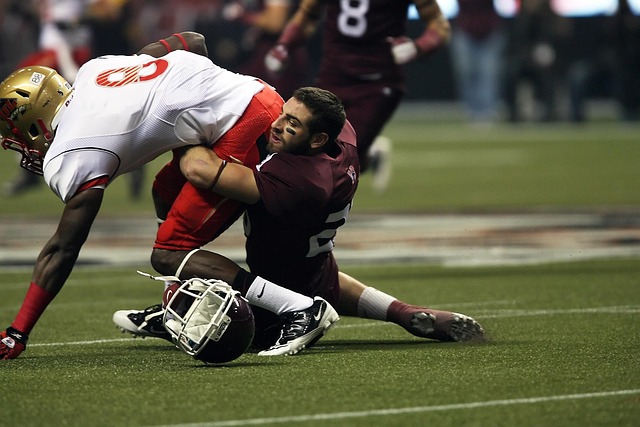
Chiropractic care offers a natural healing approach for individuals suffering from mild traumatic brain injuries (mTBI), particularly when it comes to concussion management. This alternative treatment modality has gained recognition in recent years as a valuable adjunct to traditional medical care. Chiropractic treatment for concussion injury naturally focuses on addressing the underlying structural issues within the body, which can have profound effects on cognitive function and overall recovery.
Chiropractors utilize various techniques, including spinal manipulation and specific exercise protocols, to restore joint mobility and reduce inflammation. By targeting the spine and nervous system, chiropractic care aims to improve cerebral blood flow and promote the body's natural healing response. Research has shown that early intervention with chiropractic treatment can significantly enhance recovery outcomes for individuals with concussions. A study published in the Journal of Athletic Training found that patients who received chiropractic care within the first week of injury reported reduced symptoms and better cognitive performance compared to those who followed a traditional medical protocol alone.
Practical insights from clinical experience suggest that combining chiropractic manipulation with specific rehabilitation exercises can accelerate recovery time. For instance, a patient with a concussion may benefit from regular adjustments to reduce spinal misalignments and corresponding nerve irritation. Additionally, targeted exercises focusing on balance, coordination, and cognitive engagement can support the brain's healing process. Chiropractors often collaborate with other healthcare professionals to create a comprehensive care plan tailored to each patient's unique needs, ensuring optimal recovery and minimizing the risk of long-term symptoms associated with concussions.
Evidence-Based Practices for Effective Chiropractic Management of MTBI
Chiropractic care has emerged as a valuable adjunctive approach in managing mild traumatic brain injury (MTBI), also commonly known as concussion. The focus on evidence-based practices is pivotal to ensuring effective chiropractic management of MTBI, offering natural and holistic support for recovery. Numerous studies have explored the benefits of chiropractic treatment for concussion injury, demonstrating its potential to alleviate symptoms and expedite healing.
Research highlights specific adjustments and techniques tailored to address the neurologic and musculoskeletal aspects of MTBI. Chiropractors employ gentle adjustments to the cervical spine and temporomandibular joint (TMJ) to reduce inflammation and improve nerve function, which can significantly impact symptom reduction in concussion patients. For instance, a study published in The Journal of Manipulative and Physiological Therapeutics found that chiropractic care improved cognitive performance and reduced headache frequency in individuals with MTBI. Furthermore, the American College of Physicians recommends non-pharmacologic interventions like chiropractic manipulation as first-line treatments for headaches associated with concussions.
In addition to adjustments, chiropractors often incorporate other therapeutic modalities such as heat/ice therapy, electrical stimulation, and soft tissue techniques to enhance recovery. These comprehensive approaches aim to reduce pain, improve mobility, and support the body's natural healing processes. It is essential for healthcare providers to collaborate and integrate chiropractic care into a multidiscipinary treatment plan for MTBI, ensuring optimal patient outcomes and fostering a holistic approach to concussion management.
Chiropractic care emerges as a vital component in managing mild traumatic brain injury (MTBI), offering a natural healing approach to address concussion injuries effectively. The article highlights the importance of understanding MTBI's nuanced nature and the potential benefits of chiropractic treatment. Through evidence-based practices, chiropractors can play a significant role in the recovery process, focusing on techniques specifically tailored for concussion injury. By delving into these methods, healthcare professionals can provide comprehensive care, ensuring patients receive holistic support during their journey towards healing. This authoritative guide offers valuable insights, empowering readers to consider chiropractic treatment for concussion injury naturally as a viable and evidence-supported option.