Chiropractic treatment for concussion injury naturally offers a holistic approach, addressing physical and cognitive symptoms. It focuses on reducing inflammation, improving nerve function, and enhancing cerebral blood flow through manipulation, thermal therapy, and exercise protocols. Research shows faster recovery times, reduced symptom severity, and improved cognitive performance with chiropractic care, emphasizing its value as a non-invasive alternative to conventional treatments. Chiropractors create individualized care plans, collaborating with other healthcare professionals for comprehensive recovery.
Mild traumatic brain injuries (mTBI), commonly known as concussions, are a significant public health concern, affecting individuals of all ages from sports to everyday activities. The impact of these injuries extends beyond the immediate symptoms, often leading to long-term cognitive and physical challenges. Standard treatments have limitations, leaving many seeking alternative approaches. Chiropractic treatment for concussion injury naturally emerges as a promising option. This article delves into the role of chiropractic care in managing mTBI, exploring its mechanisms, effectiveness, and potential benefits compared to conventional therapies.
- Understanding Mild Traumatic Brain Injury (MTBI) & Chiropractic Approach
- The Role of Chiropractic Care in MTBI Recovery Naturally
- Effective Chiropractic Treatment for Concussion Injuries: Step-by-Step Guide
Understanding Mild Traumatic Brain Injury (MTBI) & Chiropractic Approach
Mild Traumatic Brain Injury (MTBI), often referred to as a concussion, is a common yet potentially serious condition resulting from a blow or shock to the head. It differs from more severe forms of traumatic brain injury in its milder symptoms, which can include headaches, dizziness, nausea, and cognitive difficulties. Despite these seemingly minor manifestations, MTBI can have significant impacts on daily functioning and quality of life if not managed appropriately. The traditional approach to treatment often involves rest, medication for symptom management, and gradual return to activities. However, a growing body of evidence supports the use of chiropractic treatment for concussion injury as a natural and effective adjunctive therapy.
Chiropractors take a holistic approach to MTBI care, focusing on the nervous system and its interaction with the body's structural framework. They believe that proper alignment of the spine and cranium is crucial for optimal brain function. Chiropractic treatment for concussion injury naturally involves techniques such as spinal manipulation, soft-tissue therapy, and specialized exercise protocols. These interventions aim to reduce inflammation, improve nerve conductivity, and promote healing within the nervous system. Research has shown promising results, with studies indicating that chiropractic care can lead to faster recovery times, reduced symptom severity, and improved cognitive performance in patients with MTBI.
For example, a 2018 systematic review published in the Journal of Manual Medicine found that chiropractic manipulation combined with exercise therapy significantly reduced headaches and dizziness in individuals with concussion when compared to standard care alone. Additionally, a case study presented in the Journal of Chiropractic Neurology demonstrated the effectiveness of upper cervical chiropractic care in treating post-concussion symptoms, including persistent headaches and cognitive impairments. These findings underscore the potential for chiropractic treatment as a valuable component in the management of MTBI.
Chiropractors specializing in sports medicine and concussion management play a vital role in guiding patients through the recovery process. They work collaboratively with other healthcare professionals to develop individualized care plans that address not only physical symptoms but also cognitive and emotional aspects of concussive injuries. By employing evidence-based practices and natural therapeutic modalities, chiropractors enable athletes and individuals affected by MTBI to navigate their journey towards full recovery and return to their active lifestyles.
The Role of Chiropractic Care in MTBI Recovery Naturally
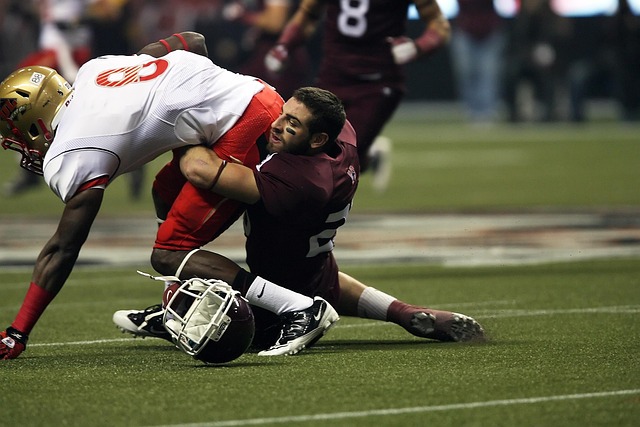
Chiropractic care has emerged as a significant non-invasive approach to supporting individuals with mild traumatic brain injury (MTBI), offering a natural alternative to conventional treatment methods. While MTBI, often referred to as a concussion, is typically managed through rest and monitoring, chiropractic treatment for concussion injury naturally provides a multifaceted strategy to aid in recovery. This holistic method focuses on addressing not only the physical symptoms but also the intricate connection between the brain and the body's nervous system.
Chiropractors employ various techniques, including spinal manipulation and specific joint adjustments, to reduce inflammation, improve nerve function, and enhance overall cerebral blood flow. Research has shown that chiropractic care can significantly alleviate post-concussive symptoms such as headaches, dizziness, and cognitive impairments. For instance, a study published in the Journal of Manipulative and Physiological Therapeutics found that chiropractic treatment led to substantial improvements in symptom reduction and quality of life for individuals with MTBI. By targeting specific areas of the spine and brainstem, chiropractors can help restore optimal nervous system function, which is crucial for recovery from concussion injuries.
Furthermore, chiropractic care offers a personalized approach, tailoring treatments to each patient's unique needs. Chiropractors carefully assess symptoms, medical history, and physical responses to adjust their treatment plans accordingly. This individualized attention ensures that the specific mechanisms of injury are addressed effectively, promoting more rapid and comprehensive healing. As MTBI recovery can be a lengthy process, with symptoms sometimes persisting for months or even years, incorporating chiropractic treatment into the rehabilitation regimen can provide much-needed support and guidance. Chiropractors often collaborate with other healthcare professionals to offer a comprehensive care plan, ensuring that patients receive the best possible outcomes naturally.
Effective Chiropractic Treatment for Concussion Injuries: Step-by-Step Guide

Chiropractic care has emerged as a valuable adjunctive approach for managing mild traumatic brain injuries (mTBI), commonly known as concussions. Chiropractic treatment for concussion injury naturally focuses on addressing both the physical and cognitive symptoms that often persist after conventional treatments. This step-by-step guide delves into the comprehensive strategies chiropractors employ to support individuals recovering from mTBI, enhancing their overall well-being.
The initial assessment is crucial, involving a detailed history taking and comprehensive neurological examination. Chiropractors carefully evaluate symptoms like headaches, dizziness, nausea, cognitive impairments, and sleep disturbances. Advanced diagnostic tools, such as neurodiagnostic tests and balance assessments, may be utilized to pinpoint specific areas of dysfunction. This thorough evaluation enables the chiropractor to tailor a personalized treatment plan addressing the unique needs of each patient with concussion injury.
Manipulative therapy, a cornerstone of chiropractic care, involves precise adjustments to the spine and joints. These manual manipulations help reduce mechanical stress on the brain and nervous system, alleviating symptoms and promoting healing. For instance, specific upper cervical adjustments have shown promise in improving cognitive function and reducing post-concussion symptoms in multiple studies. Additionally, therapists may incorporate other techniques like thermal therapy, electrical stimulation, and exercise protocols to enhance recovery. This multi-faceted approach ensures that the patient receives holistic care designed to address both acute and long-term effects of concussion injury.
Rehabilitation emphasizes progressive, evidence-based exercises to improve cognitive function, balance, and physical endurance. Chiropractors guide patients through specific activities tailored to their recovery stage, ensuring a safe progression. Regular follow-ups are vital to monitor progress, adjust treatment as needed, and address any emerging challenges. This continuous support is key to helping individuals with concussion injuries regain control of their lives, ensuring they return to their full potential in a step-by-step, measured manner.
Chiropractic care emerges as a powerful, natural approach to managing mild traumatic brain injury (MTBI) and its associated symptoms. This article has provided an in-depth exploration of the chiropractic perspective on MTBI recovery, highlighting its unique benefits. Key insights include the understanding that chiropractic treatment for concussion injury naturally focuses on addressing the physical components of trauma, such as neck and head misalignments, to support the body's inherent healing mechanisms. The step-by-step guide emphasizes a tailored, patient-centric approach, ensuring safe and effective recovery. By integrating these principles into their care plans, healthcare professionals can offer promising avenues for MTBI patients seeking holistic, non-invasive solutions. This authoritative piece equips readers with valuable knowledge to navigate the post-injury landscape, fostering informed decisions regarding chiropractic treatment for concussion injuries naturally.